
Quick Summary
- Many international buyers underestimate the true cost of buying property abroad, focusing only on the sale price and overlooking taxes, fees, and maintenance expenses.
- Key hidden costs include legal fees, currency exchange losses, community fees, insurance, and travel expenses.
- Countries such as Spain, Portugal, and Thailand have varying taxes and transaction costs, ranging from 6% to 15% of the purchase price.
- Effective ways to minimise expenses include using reliable currency transfer services, hiring independent lawyers, and requesting full cost breakdowns before signing contracts.
- Propuno connects buyers with verified international agents, ensuring transparency, accurate guidance, and a secure property purchase experience.
Why Cost Transparency is Vital
Buying property abroad is one of the most exciting and rewarding investments you can make. Whether it is a second home, a retirement property, or a buy-to-let investment, the opportunity to own a place overseas attracts many buyers each year. However, while the process may appear straightforward, many people focus only on the sale price and overlook the full range of costs involved.
These extra expenses can add up quickly and may cause financial stress if you are unprepared. Cost transparency is therefore essential to ensure your purchase remains both enjoyable and affordable. From taxes and legal fees to insurance, management, and exchange rates, every stage of the process carries potential costs that should be understood and planned for.
At Propuno, we connect international buyers with trusted property professionals across the world. Our goal is to make sure you know exactly what to expect before signing any contract, allowing you to make confident and informed decisions.
1. Taxes and Legal Fees
Property taxes and legal charges are among the most significant hidden costs of buying property abroad. Each country has its own legal framework, meaning what applies in one location may differ entirely from another.
In Spain, buyers can expect to pay a property transfer tax of between six and ten per cent of the property’s value, in addition to notary and stamp duty fees. Portugal applies the IMT tax (Imposto Municipal sobre Transmissões), alongside annual property taxes and registration costs. In Thailand, a transfer fee, stamp duty, and withholding tax are common, with costs typically shared between the buyer and seller.
Engaging an independent lawyer is highly recommended. They will conduct due diligence on the property title, confirm ownership rights, and ensure compliance with local laws. Legal fees are usually calculated as a percentage of the property value or a flat rate depending on the complexity of the transaction. Spending money on a competent lawyer early can save you from far more expensive legal problems later.
2. Currency Exchange and Transfer Fees
Currency fluctuations are another area where buyers can lose money without realising it. Even a minor shift in exchange rates can increase your overall cost by thousands of pounds. Many buyers use their bank to transfer large sums abroad, but banks often offer poor exchange rates and charge high transaction fees.
Using a reputable foreign exchange provider can make a major difference. These companies specialise in international property transfers and offer more competitive rates, lower fees, and fixed-rate contracts. You can even lock in favourable rates for future payments to protect against currency volatility.
Planning your transfer strategy ahead of time will help you stay within budget and avoid last-minute rate shocks. This simple step is one of the most effective ways to control your total costs when buying abroad.
3. Maintenance, Utilities, and Ongoing Costs
Owning a home abroad involves ongoing responsibilities. Maintenance, cleaning, gardening, and repair work can add up, particularly in coastal, tropical, or rural areas where the weather may cause wear and tear more quickly.
Utility bills such as electricity, water, gas, and internet also vary widely depending on the country and local tariffs. In tourist-heavy areas, non-resident owners sometimes pay higher rates. Before purchasing, ask the seller or estate agent for a record of average annual utility bills. This information helps you calculate realistic monthly and yearly expenses.
If you intend to rent your property to holidaymakers or long-term tenants, additional costs like rental licences, management fees, and local taxes will apply. Understanding these recurring obligations helps you budget accurately and prevents future financial strain.
4. Homeowners’ Association (HOA) and Community Fees
In many popular destinations such as Spain, Portugal, and Thailand, properties are part of larger developments or residential communities. These are managed by Homeowners’ Associations (HOAs) or similar administrative bodies responsible for maintaining shared areas including gardens, swimming pools, lifts, and security systems.
HOA or community fees are charged annually and can vary greatly depending on the size of the property, the amenities provided, and the number of residents sharing costs. Premium developments with facilities such as gyms or 24-hour security tend to charge higher fees.
Before buying, review the association’s financial statements and maintenance plans. Check whether any major repairs or renovations are scheduled, as these may lead to increased fees or one-off assessments. A careful review ensures you understand what you are paying for and avoids unpleasant surprises.
5. Insurance and Property Management
Insurance is an essential but often underestimated expense. Overseas buyers need to consider building insurance, contents cover, and liability protection, especially if the property will be rented out. Premiums depend on factors such as location, construction materials, and local risks like flooding or earthquakes.
In addition to insurance, you may also wish to hire a property management company if you are not living full-time at the property. These companies oversee maintenance, collect rent, and manage tenant relations. The cost typically ranges from ten to twenty per cent of rental income or a fixed monthly fee for non-rental homes.
While property management adds to your expenses, it can save you significant time and effort. Choosing a reputable company with clear terms and transparent pricing ensures your property is looked after properly while keeping costs predictable.
6. Travel, Administration, and Miscellaneous Expenses
Buying property abroad often involves multiple visits for viewings, legal meetings, and inspections. The cost of travel, accommodation, and local transportation can quickly add up. Administrative expenses such as document translation, notarisation, and visa processing also contribute to your total spend.
While these costs may seem minor compared to the property’s purchase price, they can accumulate over time. To manage them efficiently, consider scheduling several property viewings within the same trip or using virtual viewing services offered by reputable agencies. Being organised reduces unnecessary travel and keeps your spending under control.
Cost Comparison: Spain vs Portugal vs Thailand
Spain
Spain continues to be one of Europe’s most popular property destinations. However, total transaction costs typically range between ten and fifteen per cent of the purchase price once taxes, legal, and notary fees are included. Annual property taxes (IBI) and community charges are additional.

Portugal
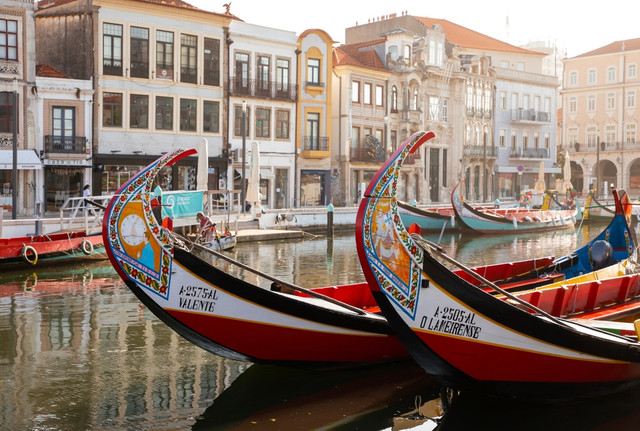
Portugal’s total costs usually fall between eight and twelve per cent. Buyers should also consider stamp duty and annual council tax. Although Portugal offers several tax incentives for foreign residents, such as the Non-Habitual Residency scheme, these may not offset every expense.
Thailand
In Thailand, the average total purchase cost is around six to nine per cent, depending on whether the property is leasehold or freehold. Foreign ownership laws can make transactions more complex, often requiring extra legal services to ensure compliance with local regulations.
This comparison highlights that while two countries may offer similar property prices, their associated costs and legal obligations can differ dramatically.

Tips to Minimise Unexpected Expenses
Conduct detailed research
Before committing to any purchase, collect full information on local taxes, fees, and maintenance costs. A trusted estate agent will provide itemised cost estimates for greater clarity.
Work with independent professionals
Select agents, lawyers, and financial advisors with proven experience in international transactions. Independent advice ensures that your interests are fully protected.
Plan for the future
Factor in ongoing expenses such as maintenance, management, and insurance into your five-year financial plan. Being proactive helps you manage your investment sustainably.
Use reliable currency transfer services
Choose providers who offer better exchange rates and allow you to fix rates in advance. This safeguards your funds from market fluctuations.
Request full documentation
Always ask for written breakdowns of all expected costs before signing any contracts. Clear paperwork prevents misunderstandings and builds confidence in the process.
Why Choose Propuno
At Propuno, we simplify international property buying by connecting you with trusted, verified agents across the globe. We focus on clarity, trust, and support throughout your entire buying journey.
Our partner agents have local expertise and market knowledge, ensuring you understand every detail of your chosen location. Propuno’s proven track record gives you peace of mind that you are working with professionals who value your success.
We provide personalised support for every client, helping you compare properties, navigate legal processes, and make informed financial decisions. Using innovative technology, Propuno enables you to search, filter, and contact verified agents easily.
Whether you are looking in Europe, Asia, or beyond, Propuno offers the confidence and transparency needed to make your overseas property purchase secure and rewarding.
Frequently Asked Questions
1. What are the main hidden costs when buying property abroad?
Hidden costs include property taxes, legal and notary fees, currency transfer charges, maintenance costs, community fees, insurance, and travel expenses. Each country has its own regulations, so it is vital to research thoroughly before committing. Consulting local experts through Propuno ensures you understand all applicable charges in your chosen location.
2. How can I avoid unexpected financial surprises?
To avoid hidden costs, always request a detailed cost breakdown from your estate agent or lawyer. Verify each fee independently and ensure contracts clearly specify who is responsible for taxes or closing costs. Propuno’s verified partners prioritise transparency to help you avoid overpaying or encountering unforeseen charges.
3. Do I really need a local lawyer when buying overseas?
Yes, hiring an independent local lawyer is essential. They verify that the property has a clean title, confirm ownership rights, and check for outstanding debts or legal disputes. Relying solely on the seller’s lawyer could result in a conflict of interest. Your own legal representative protects your rights and ensures full compliance with local law.
4. What is the best way to handle currency exchange when buying abroad?
Currency fluctuations can significantly affect your total cost. Using a dedicated currency transfer service allows you to access competitive rates and fix them in advance, protecting you from unfavourable changes. This approach offers greater financial control and stability throughout the purchase process.
5. How can Propuno help me buy property abroad safely?
Propuno provides access to a network of trusted international agents and developers who prioritise honesty, clarity, and professionalism. Our platform simplifies property searches and ensures you are dealing with reputable experts who understand local regulations. By choosing Propuno, you gain peace of mind knowing your investment is in safe hands.
Conclusion: Buy with Confidence through Propuno
Buying property abroad can be an incredibly rewarding experience, but it is vital to prepare for all financial aspects. Taxes, legal fees, and ongoing costs can significantly influence the total investment value. By understanding these details from the beginning, you can make informed decisions and avoid unnecessary stress.
With Propuno, you gain access to verified international agents who prioritise transparency and provide honest, expert advice. Whether you are buying in Spain, Portugal, Thailand, or elsewhere, Propuno helps you make the right choice confidently and cost-effectively.
Find reliable agents through Propuno today and take the first step towards a secure and successful overseas property investment.