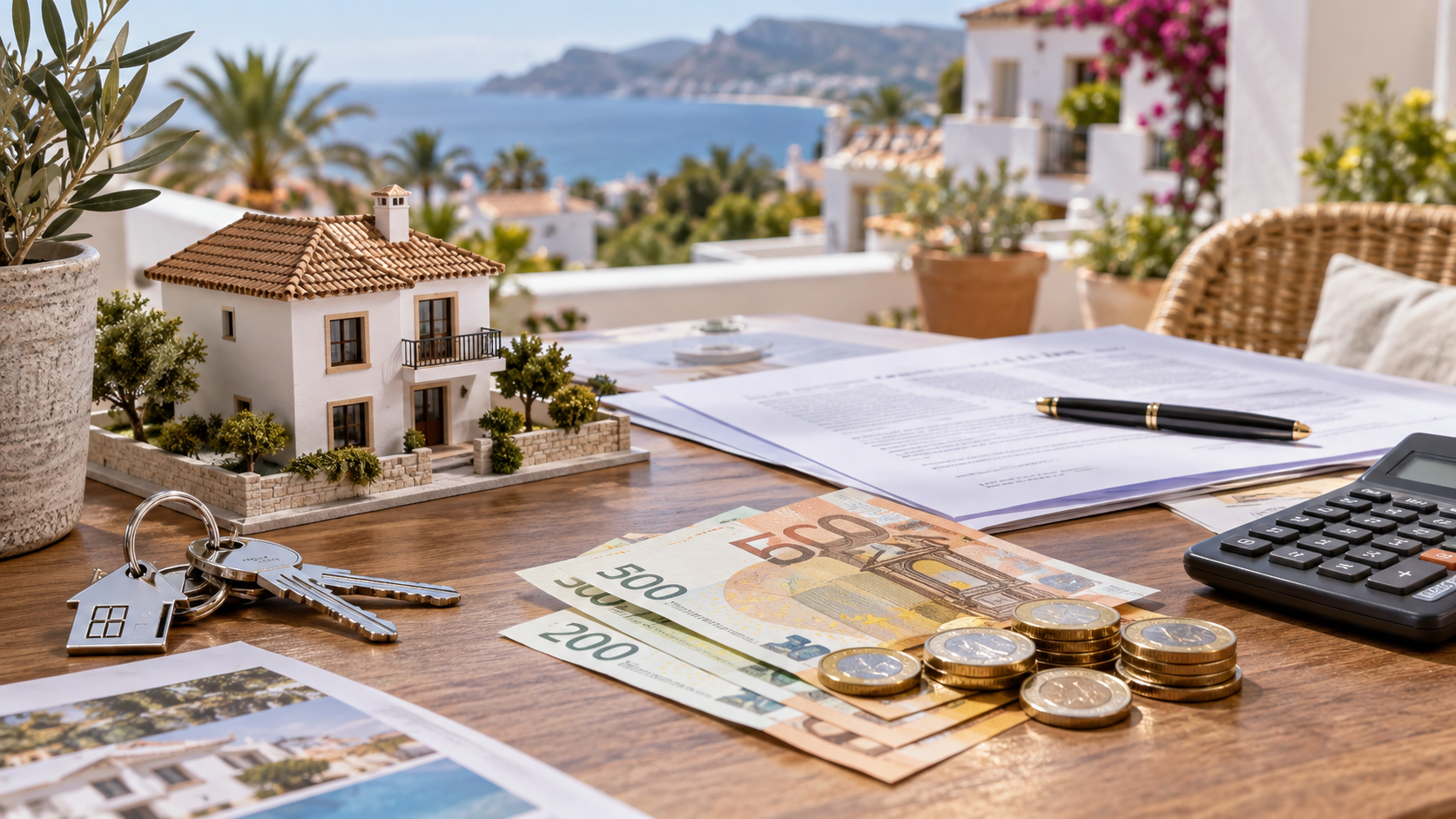
You have found a Spanish property listed at €300,000. The question is not whether you can afford €300,000. It is whether you can afford the complete cost of buying it.
Purchase tax alone can add tens of thousands of euros. Legal work, registration, notary costs and, where applicable, mortgage valuation also need to be included before you decide what asking price genuinely fits your budget.
The amount also changes depending on what and where you buy. A €300,000 resale property in Andalucía does not produce the same purchase-tax bill as a €300,000 resale in the Comunitat Valenciana, and a qualifying new-build home follows a different tax structure again.
For an overseas buyer, the safest approach is therefore to set your total acquisition budget before making an offer, not after you have found the property.
Propuno gives international buyers access to live apartments, villas, houses, land and new developments across Spain.
Browse current property for sale in Spain.
If you are comparing newly built property, you can also browse new developments across Spain.

How Much Extra Should You Budget When Buying in Spain?
There is no single percentage that works for every Spanish property purchase.
The largest variable is usually purchase tax.
For a resale property, you normally pay regional Transfer Tax, known as ITP. For a qualifying first delivery of a new residential property from a developer, the transaction will generally carry 10% VAT, with applicable regional Stamp Duty or AJD potentially payable in addition.
Then you need to consider the other transaction costs relevant to your particular purchase, including:
- Independent legal representation
- Notary costs associated with the purchase deed
- Land Registry charges
- Property valuation if you are financing the purchase
- NIE and administrative requirements
- Currency-conversion costs where funds are held in sterling or another currency
- Any property-specific surveys or technical checks
- Any agreed buyer-side professional charges
Rather than automatically adding 10%, 12% or 15% to every property, ask your solicitor for a property-specific completion estimate.
For a deeper look at the tax itself, read Propuno's Property Taxes in Spain for Foreign Buyers: 2026 Guide.
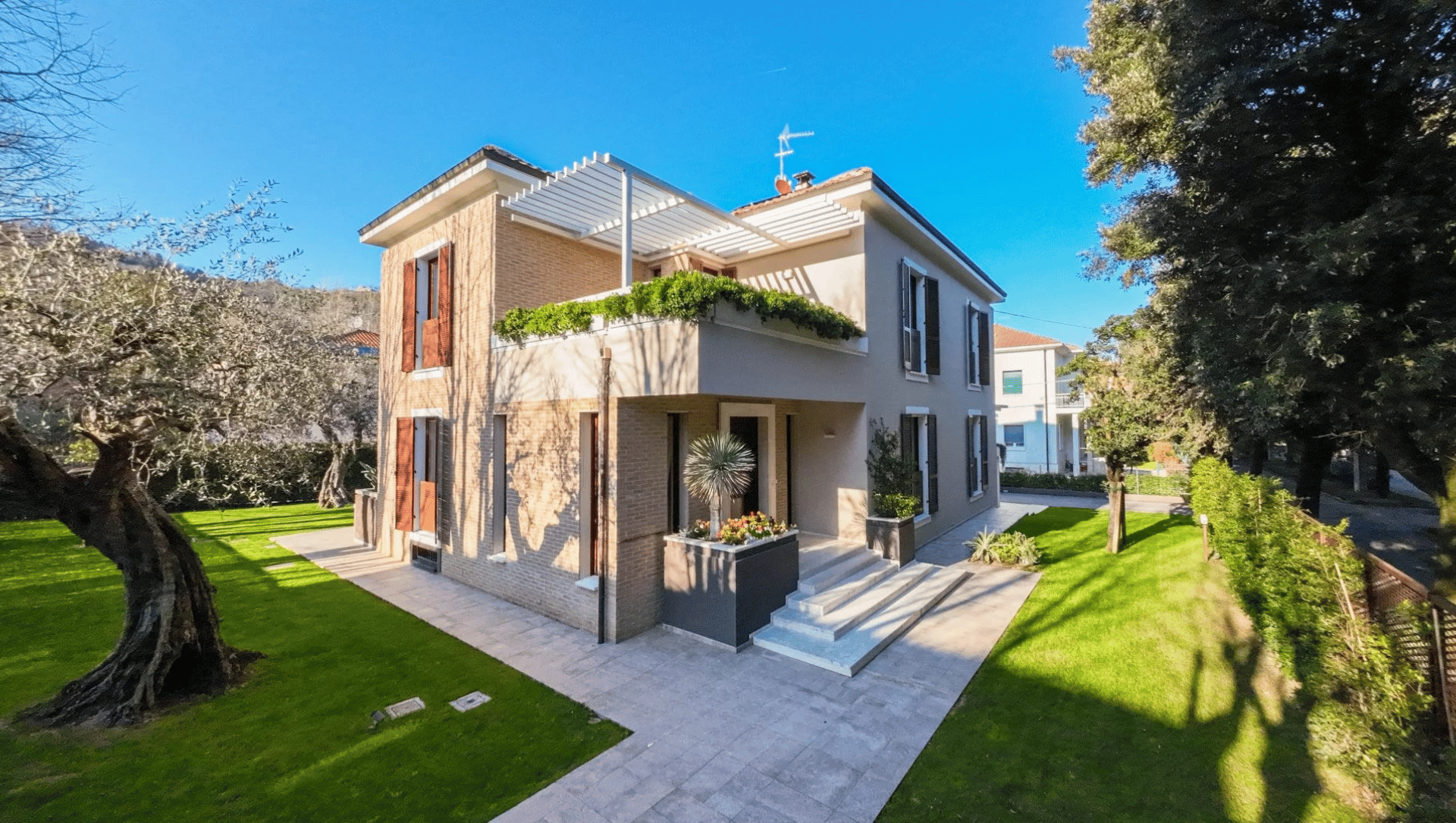
€300,000 Property: What the Purchase Tax Can Look Like
A €300,000 asking price produces very different figures depending on the transaction.
| Purchase example | Main tax treatment | Indicative purchase tax |
|---|---|---|
| €300,000 resale in Andalucía | 7% general ITP | €21,000 |
| €300,000 resale in Comunitat Valenciana | 9% general ITP from 1 June 2026 | €27,000 |
| €300,000 qualifying new residential property | 10% VAT | €30,000 VAT, plus applicable AJD |
These figures cover the main purchase tax shown in each example. They do not represent the complete buying cost.
Legal work, notary and registration expenses, and other transaction-specific charges still need to be added.
The difference is significant. On the same €300,000 resale price, the general ITP comparison above creates a €6,000 difference between Andalucía and the Comunitat Valenciana before the other transaction expenses are considered.
This is why two properties with identical asking prices can require different completion budgets.
Resale Property: Understanding ITP
When you buy an existing Spanish property, the buyer will normally pay Impuesto sobre Transmisiones Patrimoniales, or ITP.
The important point is that there is no single national ITP percentage.
The autonomous community determines the applicable rate and may also provide reduced or special rates where certain conditions are met.
For example, the general rate in Andalucía is currently 7%.
That is particularly relevant for buyers searching markets such as Marbella, Estepona, Benahavís, Fuengirola and Mijas.
If you are considering this part of Spain, browse current Costa del Sol property for sale.
In the Comunitat Valenciana, the standard rate applying to qualifying acquisitions up to €1 million changed to 9% from 1 June 2026.
That can affect buyers comparing Costa Blanca and Costa del Sol property even when the two homes have the same asking price.
Your solicitor should confirm the exact tax treatment before you sign a reservation contract or commit your completion funds.
New-Build Property: VAT and AJD
A qualifying first delivery of residential property by the developer is generally treated differently from a resale.
Instead of ITP, the buyer generally pays 10% VAT on the residential purchase.
Regional AJD, or Actos Jurídicos Documentados, may then apply in addition.
This means you should not assume that a new build is automatically cheaper or more expensive to purchase than a resale purely because one uses VAT and the other uses ITP.
The correct comparison is the complete acquisition cost of the two specific properties.
Propuno's guide to New Build vs Resale Property in Spain explains the wider differences in tax treatment, completion timing, condition, due diligence and payment structures.
If you want to compare current opportunities rather than hypothetical examples, browse Propuno's new developments in Spain.
Notary Costs
Spanish property purchases are normally completed through a public deed before a notary.
Notarial charges are regulated, but buyers should be cautious about treating a simple percentage of the purchase price as an exact quote.
The final amount depends on the transaction and documentation involved.
For budgeting purposes, ask your independent solicitor to include the expected notary charge within the completion statement for the specific property.
That is much more reliable than applying a generic 0.5% or 1% figure to every purchase.
Land Registry Costs
After completion, the ownership change is registered with the relevant Registro de la Propiedad.
Registration is an important part of protecting and formally recording your ownership.
Like notarial charges, Registry fees operate within regulated tariffs but should be estimated against the actual transaction rather than treated as a universal percentage.
Your solicitor or representative should include the anticipated registration cost when preparing your full acquisition budget.
A nota simple should also form part of the due-diligence process because it provides important information about the registered property, ownership and recorded charges.
Independent Legal Representation
Legal fees are another part of the acquisition budget, but they are commercial professional fees rather than a fixed Spanish government percentage.
Different law firms use different structures.
Some charge a percentage of the purchase price, while others may offer fixed-fee arrangements depending on the transaction.
The more important question is what the service includes.
An independent lawyer acting for you should normally investigate matters such as:
- Registered ownership and charges
- Planning and property documentation
- Community debts where applicable
- IBI and other outstanding liabilities
- Purchase contracts
- Deposit protection where relevant
- Tax calculations
- Completion documentation
- Registration after completion
Do not choose legal representation based purely on the lowest quote.
Ask for the scope of work and total expected fee in writing before instructing the firm.
For international buyers unfamiliar with the wider transaction, Propuno's Buying Property in Spain as a Foreigner Guide explains the purchase process in more detail.
NIE and Administration for Foreign Buyers
Foreign buyers normally need an NIE, Número de Identidad de Extranjero, for the Spanish property transaction and associated tax procedures.
The cost and process depend partly on whether you arrange it personally, through a consulate or through an authorised professional.
The key budgeting lesson is not the small government fee itself.
It is timing.
Starting the NIE process late can delay other parts of the transaction, particularly for overseas buyers coordinating lawyers, banks and travel.
Arrange it early and ask your solicitor which documents they need from you before making a formal commitment to a property.

Currency Costs for UK Buyers
A UK buyer purchasing a €400,000 property may be converting a substantial sterling balance into euros.
Even a relatively small movement in the GBP/EUR exchange rate can alter the sterling cost of the transaction.
Do not treat currency exchange as an afterthought.
Before completion, establish:
- How much needs to be converted
- When deposits and balances are due
- What exchange rate you are being offered
- What transfer charges apply
- Whether you need to protect against exchange-rate movements between reservation and completion
The important figure is the amount of sterling required to deliver the required number of euros on the relevant payment dates.
Mortgage Costs: An Important 2026 Distinction
Mortgage costs need to be separated from the costs of buying the property itself.
Under Spain's current mortgage-cost framework, a borrower generally pays for the property valuation, while the lender bears the main costs associated with formalising the mortgage deed, including the relevant notary, Registry and gestoría costs.
A lender may still have other product-specific costs or conditions, so the mortgage offer must be reviewed carefully.
For international buyers, the other major consideration is leverage.
Non-residents will often be offered a lower loan-to-value ratio than Spanish residents, meaning more of the purchase price and all acquisition costs may need to come from the buyer's own funds.
Arrange financing early.
A property may technically fit your budget but still be unsuitable if the deposit, taxes and other acquisition expenses consume more cash than expected.
What a €300,000 Budget Really Means
Imagine your maximum available capital for a Spanish purchase is €330,000.
Buying a property advertised at €330,000 would leave nothing for purchase tax or completion expenses.
That asking price is therefore above your genuine budget.
A better approach is to work backwards.
Start with the total funds available.
Reserve the amount required for taxes and transaction costs.
Then establish the maximum property price you can safely search.
This sounds obvious, but it is one of the easiest mistakes for overseas buyers to make because property portals naturally encourage you to search by asking price rather than all-in acquisition cost.
Propuno's live Spain property search allows you to compare current apartments, villas and houses once you know the asking-price range that genuinely fits your finances.
Do Buyers Pay Estate Agency Fees?
Do not assume that every Spanish property transaction follows exactly the same agency-fee structure.
In many resale transactions the selling side pays the marketing agent, while new developments may remunerate introducing agents through the developer.
However, buyer-side fees or other professional charges can exist depending on the service and agreement.
Before reserving a property, ask for written confirmation of:
- Whether you personally owe an agency or buyer-representation fee
- Whether commission is already incorporated into the asking price
- Whether there are additional sourcing or advisory fees
- What happens to any reservation payment if the purchase does not proceed
The objective is simple: no unexpected professional fees at completion.

Do Not Forget Costs After Completion
Purchase costs are only part of the ownership budget.
Once you own the property, ongoing expenses can include:
IBI: the municipal property tax. The amount is property-specific and is linked to cadastral information and the municipality's applicable rate.
Community fees: relevant to many apartments, gated developments and shared residential complexes. Pools, gardens, lifts, gyms, security and other facilities can increase these charges.
Insurance: buildings and contents cover should be budgeted according to the property and how it will be used.
Utilities and local charges: electricity, water, internet and municipal services need to be considered even where the property will only be occupied part of the year.
Non-resident taxation: a non-resident owner of Spanish urban property can have Spanish tax obligations even where the home is not rented.
Before purchasing an apartment or home within a community, request the latest community information and actual IBI receipt.
Real documents are more useful than generic online estimates.
What Happens When You Eventually Sell?
Your acquisition budget should also preserve good records for the future.
If you later sell the property as a non-resident, Spanish capital-gains taxation and the non-resident seller withholding rules may become relevant.
A purchaser of property from a non-resident seller is generally required to withhold 3% of the agreed purchase price as a payment on account of the seller's tax position.
Municipal plusvalía can also become relevant depending on the transaction and property.
Keep invoices and formal documentation relating to qualifying acquisition expenses and genuine capital improvements.
They may matter when the eventual taxable gain is calculated.
Propuno covers these ownership and disposal issues in more detail in its 2026 Spanish property tax guide.
Real Propuno Context for International Buyers
A buying-cost guide is most useful when you can immediately compare the numbers with real properties.
Propuno's current Spain inventory contains apartments, villas, houses, land and other property across markets including the Costa del Sol, Costa Blanca, Alicante, Marbella, Benahavís and many other Spanish destinations.
That allows you to move from:
"I have €350,000 available"
to:
"After allowing for the acquisition costs, what properties genuinely fit my buying budget?"
Propuno also works with selected property professionals and has published guidance specifically for overseas buyers navigating the Spanish purchase process.
Explore current Spanish property for sale.
Or, if you are focused on modern projects, compare current Spanish new developments.
Before You Reserve a Property: Your Cost Checklist
Before transferring a reservation payment, you should be able to answer all of the following:
- Is the property a resale or qualifying first delivery?
- What regional purchase-tax rate applies?
- If new build, what VAT and AJD apply?
- What is the solicitor's complete fee?
- What are the estimated notary and Registry charges?
- Do you personally owe any agency or advisory fee?
- How much cash is required before completion?
- If financing, how much will the bank actually lend?
- What valuation or banking costs will you pay?
- What is the latest IBI amount?
- What are the community fees?
- Are there planned community works or extraordinary charges?
- What currency rate are you using for your budget?
- How much contingency will remain after completion?
If you cannot answer those questions, you do not yet know what the property costs.
Start With the Total Budget, Not the Asking Price
The headline lesson is simple.
A property's asking price is not its acquisition cost.
Two €300,000 homes can require different amounts of cash because one is new build, one is resale, or because they sit in different autonomous communities.
Set your overall budget first.
Confirm the tax treatment.
Obtain proper legal and transaction-cost estimates.
Then search within the resulting property-price range.
Propuno can help you compare current Spanish properties according to your real buying budget rather than the listing price alone.
Browse property for sale in Spain.
Read the complete guide to buying property in Spain as a foreigner.
Contact Propuno about your Spanish property search.
International buyer enquiries: +44 1429 450530.
Frequently Asked Questions
How much extra should I budget when buying property in Spain?
There is no universal percentage because purchase tax varies by property type, region and buyer circumstances. Resale homes generally attract regional ITP, while qualifying new residential property generally carries 10% VAT plus applicable AJD. Legal, notary, Registry and other transaction costs should then be added using property-specific estimates.
What tax do I pay on a resale property in Andalucía?
The current general ITP rate for property transfers in Andalucía is 7%, although reduced rates can apply in qualifying circumstances.
What tax do I pay on a new-build property in Spain?
A qualifying first delivery of a residential property generally carries 10% VAT. Applicable AJD should also be included and depends on the autonomous community.
Do British buyers pay more purchase tax than Spanish buyers?
Purchase-tax treatment is generally determined by the transaction and applicable regional rules rather than simply by the buyer being British. However, non-resident buyers can face different financing requirements and ongoing tax obligations after completion.
Do I need an NIE to buy property in Spain?
Foreign buyers normally need an NIE for the property transaction and associated Spanish tax procedures. Start the process early to reduce the risk of delays.
Who pays mortgage notary and Registry costs in Spain?
Under the current mortgage-cost framework, the borrower generally pays the property valuation, while the lender bears the main notary, Registry, tax and gestoría costs associated with formalising the mortgage deed. This is separate from costs associated with the property purchase itself.
Should I rely on an online buying-cost calculator?
Use calculators for preliminary planning only. Before reserving a property, ask an independent solicitor for a transaction-specific estimate based on the property type, autonomous community, purchase price and your circumstances.
Where can I compare properties once I know my real budget?
Use Propuno's Spain property search to compare current apartments, villas, houses and other property, or browse new developments in Spain if you are considering a new-build purchase.
For help matching the property price to your complete acquisition budget, contact Propuno or call +44 1429 450530.